Keller is not one soil. The USDA Web Soil Survey for Tarrant County maps mostly fine sandy loams around Keller, with clay soils in patches, and some of those soils shrink and swell hard. USDA describes the Sanger series as 40 to 60 percent clay with high shrink-swell and cracks 1 to 3 inches wide when dry. Here is what the survey shows, what USDA says about each soil and what it means for a foundation.
The Short Answer
Two houses on the same street can sit on different soil, so one foundation moves and the neighbor's does not. About 18.5% of the area we mapped is Sanger or Crosstell, both described by USDA as high shrink-swell soils. The rest is mostly sandy loam. Foundation Repair Keller TX measures the house, not the neighborhood, because the soil under it decides how it moves.
What the Survey Maps Around Keller
We ran the USDA Natural Resources Conservation Service Web Soil Survey on a box around Keller in Tarrant County (survey area TX439). The box covers about 24,000 acres, roughly twice Keller's land area of 18.36 square miles, so the figures describe the area around Keller, not the city limits alone. Shares are percent of the box.
| Soil map unit | Share of the box | What USDA says |
|---|---|---|
| Gasil fine sandy loam | 18.2% | Fine sandy loam surface over a sandy clay loam subsoil with 18 to 30 percent clay in the control section. The description gives no shrink-swell statement. |
| Crosstell fine sandy loam | 12.9% | Fine sandy loam surface over a clay upper subsoil. High shrink-swell in the subsoil, and the soil cracks when dry. |
| Rader fine sandy loam | 9.6% | Fine sandy loam surface over sandy clay subsoil. The description gives no shrink-swell statement. |
| Silstid loamy fine sand | 9.2% | Not reviewed here. |
| Wilson clay loam | 6.3% | Not reviewed here. |
| Ponder clay loam | 6.0% | Not reviewed here. |
| Birome-Aubrey-Rayex complex | 5.9% | Not reviewed here. |
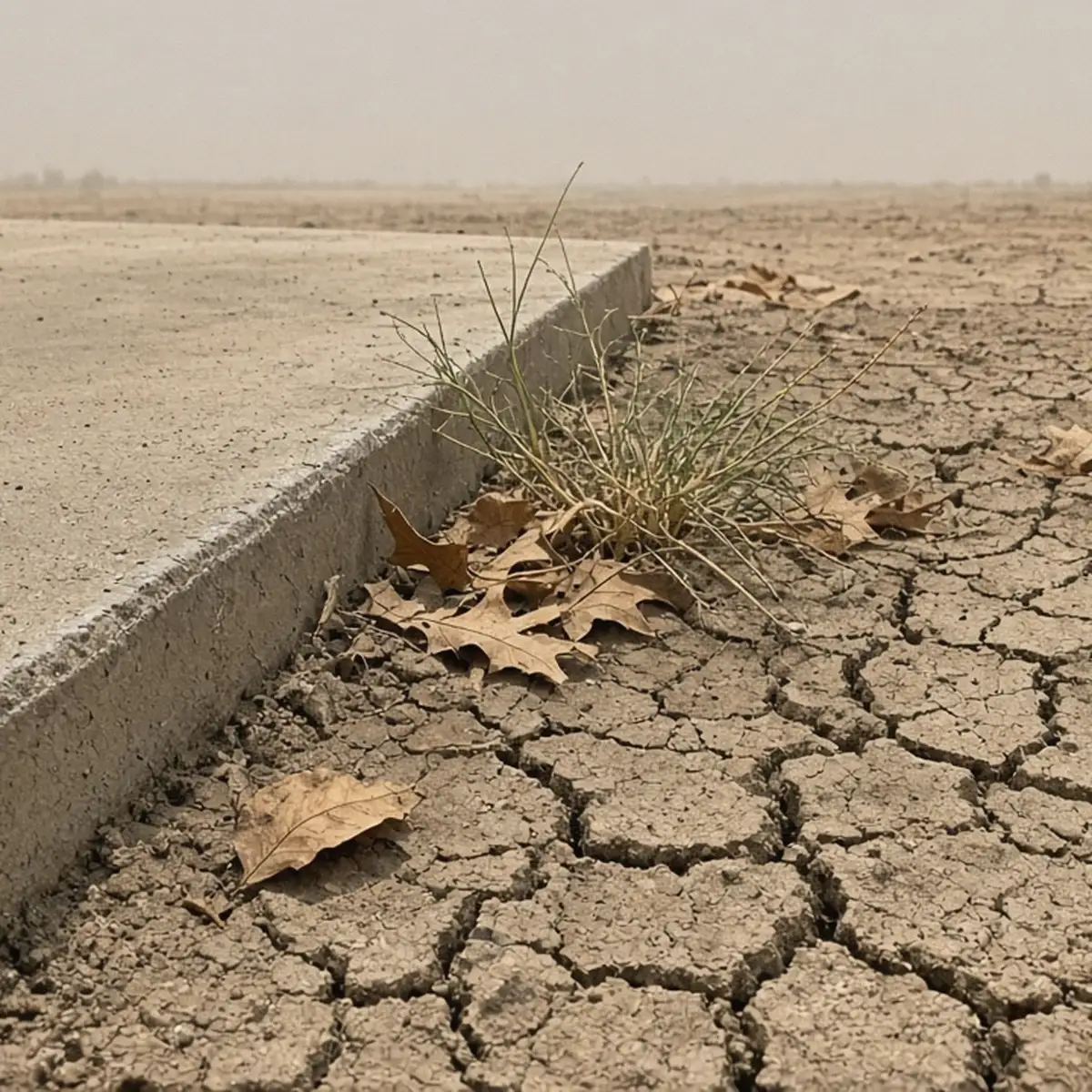
| Sanger clay | 5.6% | Clay or silty clay throughout, 40 to 60 percent clay. High shrink-swell. Cracks 1 to 3 inches wide and more than 20 inches deep when dry. |
| Navo clay loam | 3.6% | Not reviewed here. |
Clay soils such as Burleson, Slidell, Leson, Purves and San Saba clay each make up a few percent of the box.
What Shrink-Swell Does to a Foundation
The Texas Section of the American Society of Civil Engineers states that Texas has large areas with clayey soils that shrink and swell with changes in soil moisture. A foundation on that soil rides up when the clay takes on water and drops when it dries. The ASCE guidelines also state that maintaining near uniform soil moisture on all sides of a foundation may be beneficial, so a wet side and a dry side, or a leak on one side, tilt it.
The Dallas/Fort Worth weather station records about 37 inches of precipitation a year, about 20 days a year at or above 100°F and an average July high of 95.6°F. The soil dries in the heat and swells with the rain. Sanger clay opens cracks 1 to 3 inches wide when dry, according to USDA.
Why a Soil Map Is Not a Soil Test
A soil survey is a county-scale guide. The ASCE guidelines state that geotechnical information for a repair design should be derived from a site-specific boring and testing program. Use the survey to understand the area, and use an engineer's testing when a repair depends on the soil under your house. Foundation engineer's reports in Keller
You can look at your own lot. The Web Soil Survey is a free USDA tool where you draw a box over an address and read the map units for it.
Housing Age and the Soil
Census Bureau figures (American Community Survey, 2020-2024) show about 43% of Keller's occupied homes were built between 1980 and 1999, about 48% in 2000 or later and about 10% before 1980. A foundation built in the 1980s has been through decades of wet and dry cycles. A foundation built in the 2010s has been through fewer, and the soil under it works the same way.
What We Do With the Soil
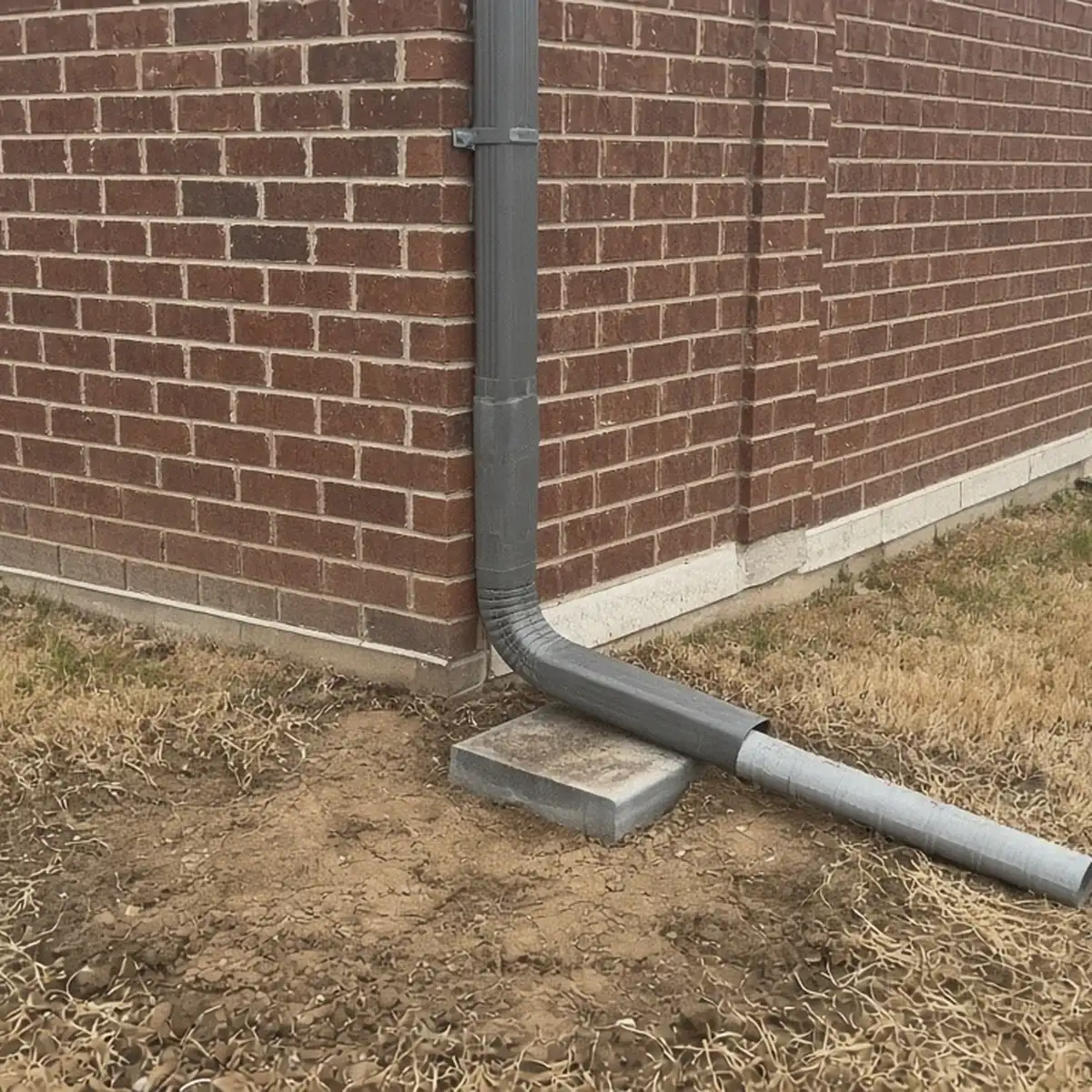
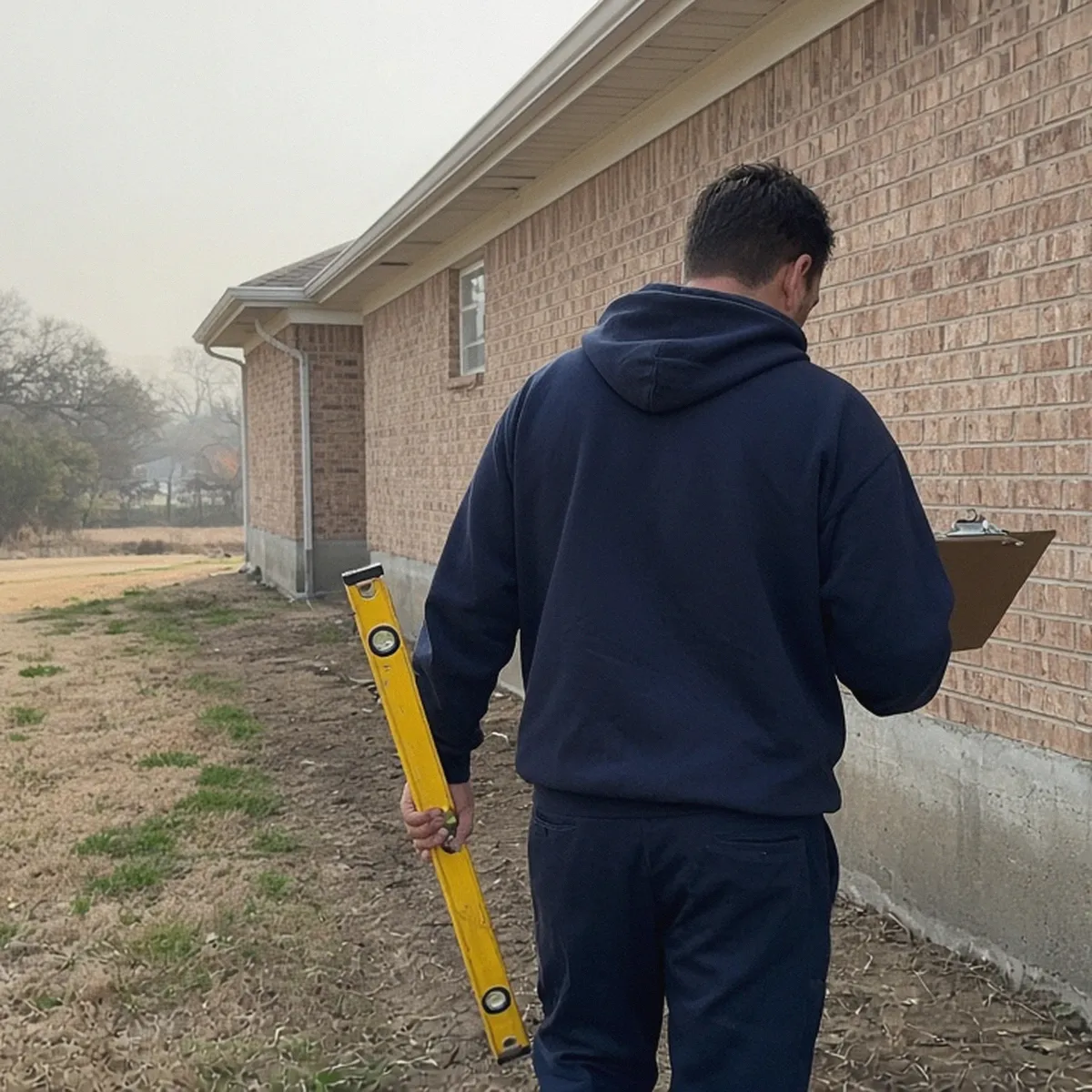
We measure the floor first, then look at what moves the soil: leaks, grading, downspouts and trees. The ASCE guidelines state that trees or large shrubs near a foundation may cause soil shrinkage under the foundation, and that root barriers are generally not as effective as tree removal. We build the repair around the cause. Foundation leveling and settlement repair
Frequently Asked Questions
Is Keller soil expansive clay?
Partly. The USDA survey maps mostly fine sandy loams around Keller with clay and clay loam soils in patches. Sanger clay is 40 to 60 percent clay with high shrink-swell, and Crosstell has a clay subsoil under a sandy surface with high shrink-swell. The mix changes from lot to lot, so an inspection tells you what your house sits on.
What soil is Keller, TX built on?
Gasil, Crosstell and Rader fine sandy loams make up the largest shares of the area around Keller in the Web Soil Survey, with Silstid loamy fine sand, Wilson and Ponder clay loams, and Sanger clay behind them. These shares come from a box about twice Keller's size, so they describe the area, not the city limits.
Why does my neighbor's foundation not have problems when mine does?
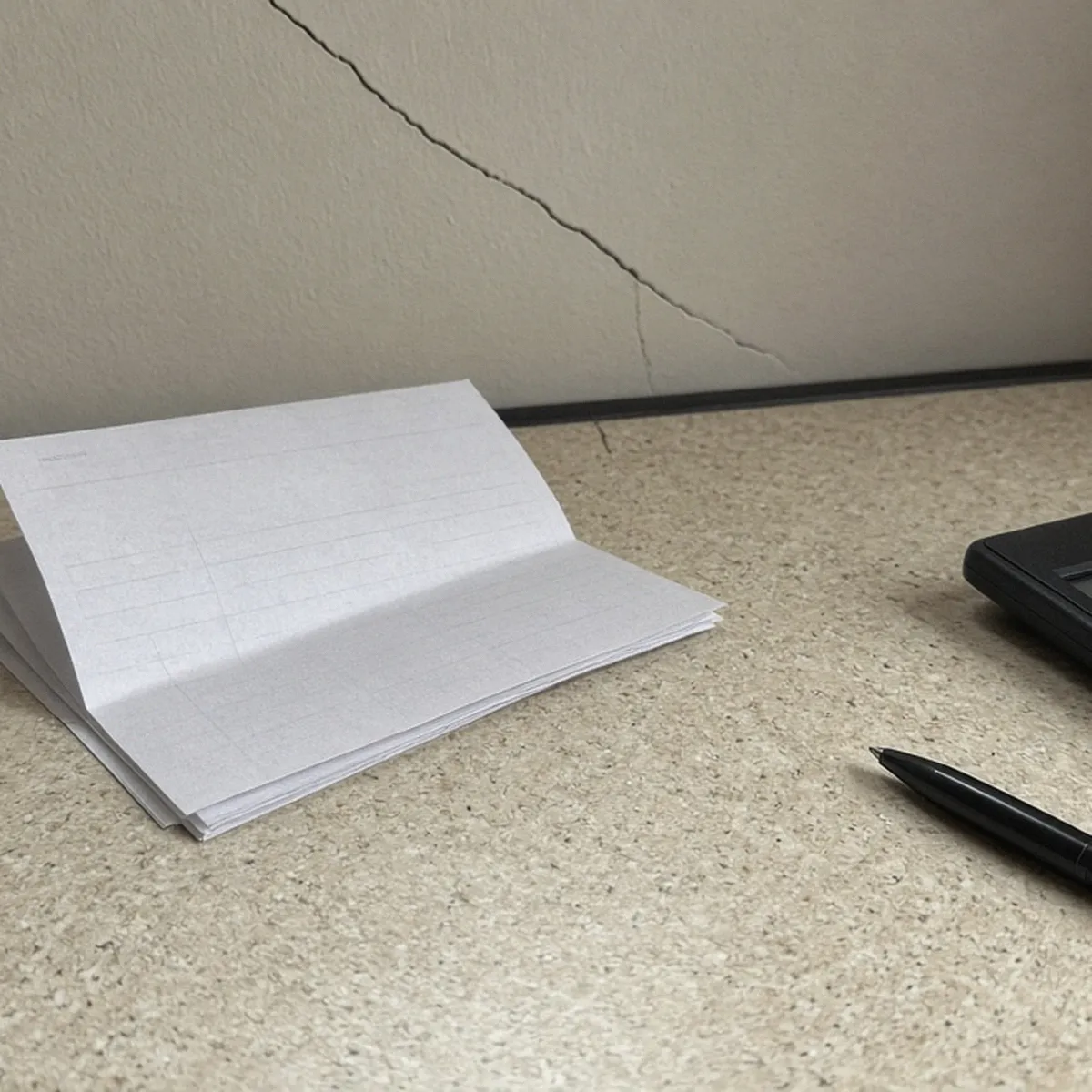
Soil and water differ from lot to lot. One house can sit on a clay patch while the next sits on sandy loam, and a leak, a grade or a tree can load one side. We measure the floor and trace the cause. Signs of foundation problems in Keller
Does sandy loam soil protect a foundation?
Not by itself. The USDA descriptions for Gasil and Rader give no shrink-swell statement, but both have a subsoil with clay in it, and Crosstell has a clay subsoil that USDA rates as high shrink-swell. Drainage, leaks and trees move foundations on any soil. We measure the house instead of relying on the map.
Can I stop soil movement under my foundation?
You can reduce it. The ASCE guidelines recommend keeping soil moisture near uniform around the foundation, grading away from the house and extending downspouts, and caution against excessive watering. Drainage and your foundation